
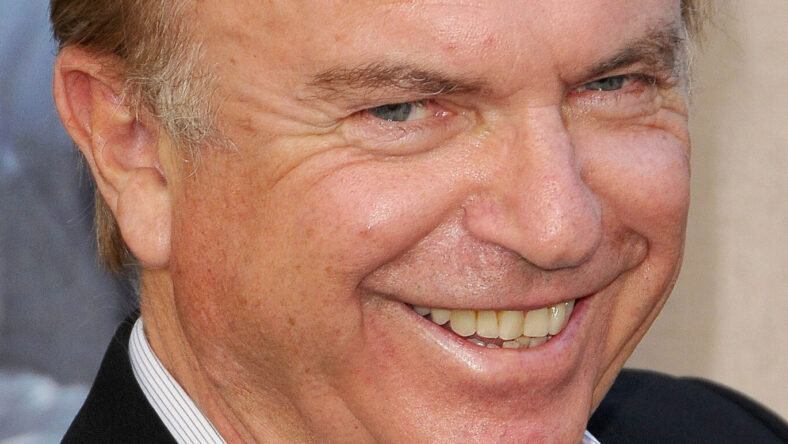
Sam Neill Was At The Center Of A Heated Mining Debate Before His Sudden Death
Sam Neill found himself caught in a bitter economic and environmental dispute in the months before his sudden death, facing backlash after using his celebrity platform to oppose a multibillion-dollar gold mine near his New Zealand vineyard.
The “Jurassic Park” actor warned that the Bendigo-Ophir mining project could permanently scar Central Otago, threaten native wildlife and undermine the wine and tourism industries that have sustained the region for decades. However, supporters of the development accused Neill and other affluent landowners of attempting to block hundreds of potential jobs while benefiting from the untouched landscape themselves.
The disagreement became heated enough that Santana Minerals’ chief executive reportedly spoke out against the online abuse directed at Neill, despite the actor campaigning against the company’s proposed mine.
Sam Neill Warned The Mine Would Transform The Region

Neill had spent approximately 30 years producing wine in Central Otago through his Two Paddocks label, giving him a personal and financial connection to the landscape surrounding the proposed mining site. According to The Guardian, the actor described the area as “one of the most beautiful and strange, remote places in the world” and warned that the open-cast operation could radically change its character.
“If this mine goes ahead, and God willing it won’t, everything that you see [there] is under a claim [by the mining company],” Neill said. “And there will be mining all around us, and that’ll be the end.”
The Bendigo-Ophir project proposed by Australian company Santana Minerals would create an open-cast mine measuring roughly 1,000 meters by 850 meters. The company has estimated that the site contains approximately $6.75 billion worth of gold.
Neill joined local organization Sustainable Tarras in opposing the development and appeared in a mini-documentary intended to draw wider attention to the possible environmental consequences.
Critics Accused The Actor Of Standing In The Way Of Jobs

Although environmental campaigners praised Neill for speaking out, his involvement also drew fierce criticism from those who believed the mine could deliver badly needed economic growth. Resources Minister Shane Jones said the project could create approximately 357 direct jobs and support another 500 positions annually through related economic activity.
That promise became central to the backlash against Neill. Some supporters argued that wealthy vineyard owners and celebrities had the financial freedom to oppose development while working families stood to benefit from the employment opportunities it could create.
The criticism exposed an uncomfortable divide at the heart of the debate: whether protecting Central Otago’s landscape and tourism reputation should take priority over a project offering jobs, investment and billions of dollars in mineral resources.
However, the attacks against Neill reportedly went beyond disagreement over policy. Santana Minerals’ leadership publicly condemned online abuse aimed at the actor, making clear that personal hostility was not an acceptable response to his opposition.
Environmental Groups Warned Of An Irreversible ‘Toxic Legacy’
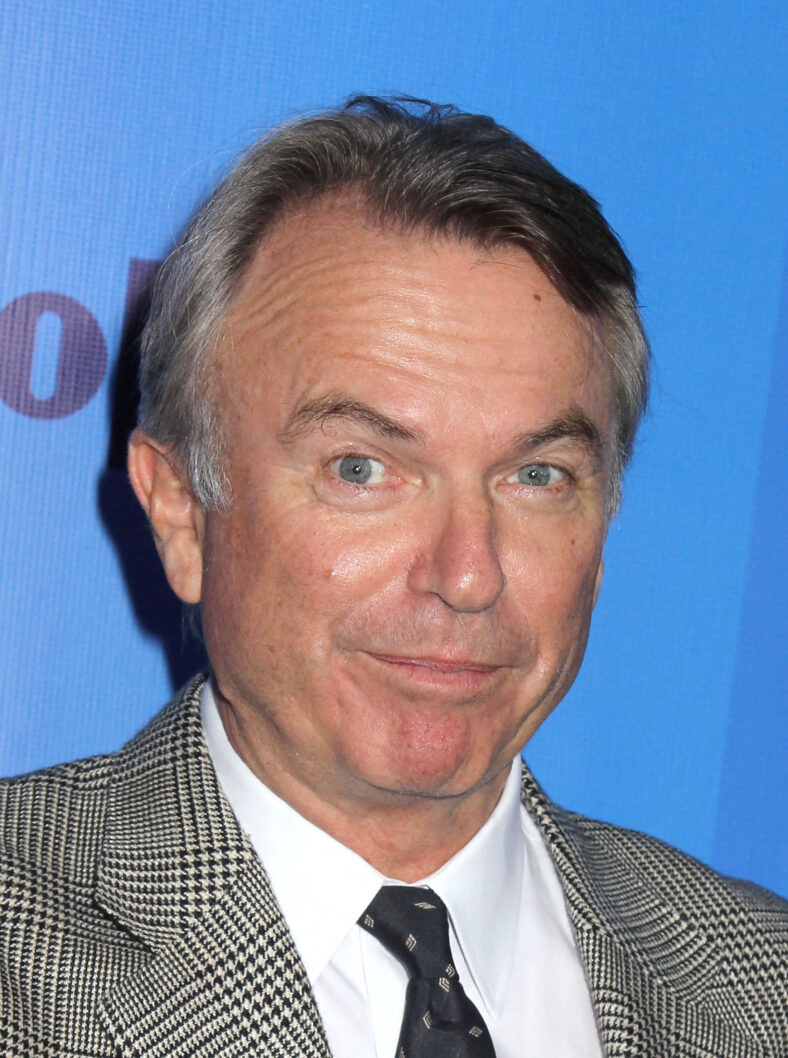
Those fighting the project argued that the mine’s economic benefits would be temporary, while its environmental footprint could remain for generations. Sustainable Tarras raised concerns about the potential effect on native wildlife, including an estimated 650,000 lizards, although Santana Minerals has disputed claims about the scale of the danger.
Opponents also warned about a proposed storage dam containing mining waste and questioned what could happen if the structure were damaged during an earthquake. The company has rejected suggestions that the facility would create an unacceptable safety risk.
Winemaker Hayden Johnston summarized the argument against prioritizing the mine’s short-term value over the region’s existing industries. “Gold is a one-off,” Johnston said. “You crush the land. You make a huge, toxic legacy, but you can only take the gold out once.”
Grape growing, tourism and agriculture, opponents argued, can continue generating income for decades if the landscape supporting them remains intact.
The Project Became Part Of A Larger Political Fight

The Bendigo-Ophir dispute also reflected a broader shift in New Zealand’s approach to mining and resource development.
The government has supported fast-tracking selected projects as part of an effort to stimulate investment, create jobs and expand the country’s mining sector. Environmental groups have argued that the accelerated process risks weakening scrutiny of developments with potentially permanent consequences.
For Neill, the fight was not simply about protecting the view from his vineyard. He maintained that the mine could threaten a landscape with ecological, cultural and economic importance far beyond his own property. Still, his status as a prominent actor and vineyard owner made him a convenient target for critics who viewed the opposition campaign as elitist or resistant to economic change.
Sam Neill’s Family Announces His ‘Sudden And Unexpected’ Death

The controversy gained renewed attention following Neill’s death at age 78 on Monday, July 13. “It is with immense sadness that the whānau of Sam Neill share the news of his passing on Monday 13th July, in Sydney, Australia,” his family announced in a statement.
“Sam was surrounded by family and passed with the dignity that has characterized his whole life,” the statement continued. “The loss was sudden and unexpected but blessed by the fact that Sam remained cancer-free.”
Neill had previously undergone treatment for stage-three blood cancer but revealed before his death that he was cancer-free. His family thanked the staff at St Vincent’s Private Hospital in Sydney for caring for him and requested privacy while they mourned.
The ‘Jurassic Park’ Star Left A Lasting Hollywood Legacy

Neill’s breakthrough arrived with the 1977 film “Sleeping Dogs,” which became one of the first New Zealand productions to attract significant international attention.
He later appeared in “The Hunt for Red October,” “The Piano,” “Peaky Blinders” and “The Tudors,” but his most recognizable performance came as paleontologist Dr. Alan Grant in Steven Spielberg’s 1993 blockbuster “Jurassic Park.”
Neill reprised the role in “Jurassic Park III” and “Jurassic World Dominion.”
Originally published on theblast.com