

Epstein Survivors’ Private Details Exposed As House Report Finds Government Failed Them Again
Jeffrey Epstein’s survivors wanted answers. Instead, the government’s release of records also exposed sensitive information about some of the people it was supposed to protect. House Oversight Republicans say flawed redactions exposed survivors’ private information, leaving them vulnerable again after years of failures to stop Epstein.
The findings arrive after months of complaints from survivors and their attorneys about names and identifying details appearing in public documents. Now, lawmakers are calling for survivors to receive access to their own unredacted records.
House Report Calls Out Failures To Protect Epstein Survivors

Released November 10, the Republican majority staff report followed a 15-month investigation involving interviews, depositions, financial records and documents from the Justice Department and Epstein’s estate. Among its findings, the committee said the DOJ failed to adequately communicate about releases under the Epstein Files Transparency Act and sufficiently protect survivors. Faulty redactions exposed sensitive personal information, according to its official announcement.
Committee Chairman James Comer framed the findings as part of a much longer history of failures. “The federal government has failed the survivors of Jeffrey Epstein and Ghislaine Maxwell‘s horrific crimes for decades,” he said.
For survivors, the privacy concerns were already familiar. Attorneys had raised alarms earlier this year about information appearing in records released to the public.
Some Women Had Never Been Publicly Linked To The Case
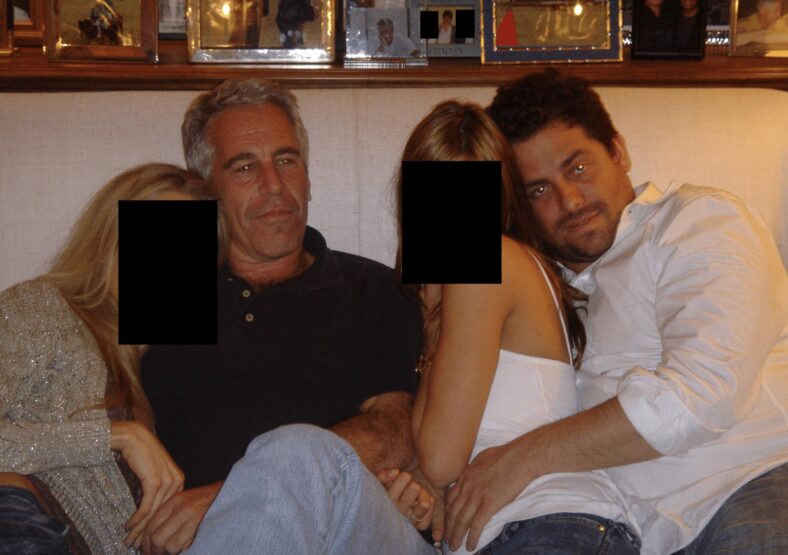
Following the January document release, lawyers representing hundreds of survivors told ABC News that numerous victims’ names and identifying information had appeared without redactions. That included several women whose names had never previously been publicly associated with the Epstein case.
The disclosures meant that people who had maintained their privacy could suddenly be identified through government records. Their information was appearing in a release that was supposed to shed light on Epstein’s activities and the handling of the investigations.
The DOJ said at the time that it had worked with victims and their lawyers on necessary redactions. Its public disclosures page also states that efforts were made to review and remove victims’ personal information before publication. But survivors’ accounts showed that those safeguards had not consistently worked.
Exposed Details Brought Real-World Consequences

The fallout extended beyond seeing a name in a document. In February, the Associated Press reported that one woman said she had received death threats after dozens of entries exposed her private banking information. She described trying to shut down credit cards and accounts.
The Justice Department said it had withdrawn several thousand documents and media items after lawyers alerted a judge to problems with the redactions. A later Reuters investigation documented harassment following the disclosures. Responding to that reporting, the DOJ said it had taken steps to protect victims’ information and moved quickly to correct errors when notified.
- An Epstein whistleblower who raised questions about a Trump official has died.
- Andrew’s Epstein ties face fresh scrutiny after an FBI account detailed visits to Balmoral.
- Police attention on Balmoral has brought another development involving Andrew’s connections to Epstein.
- A story Epstein allegedly told about Donald Trump included a bizarre self-description.
- Robert De Niro’s demands over the Epstein files received fresh backing from Democrats ahead of the midterms.
Lawmakers Want Survivors To See Their Own Complete Records
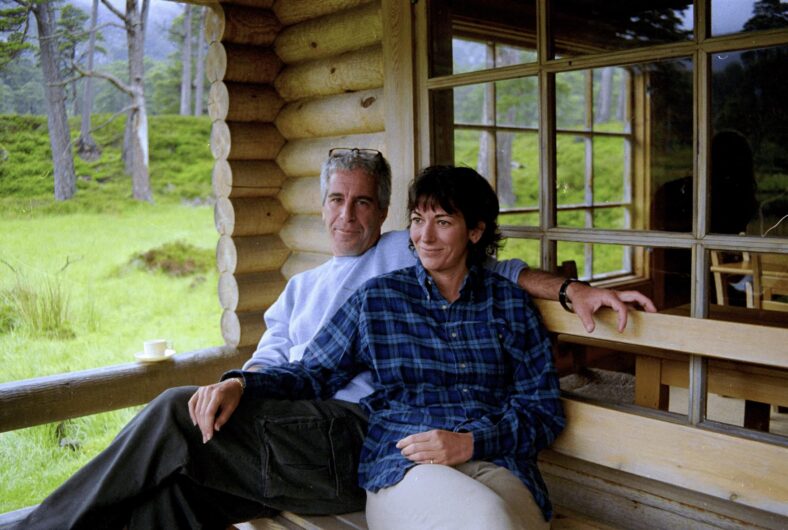
Lawmakers also want the DOJ to give survivors and their representatives a way to review their own files in full, without blacked-out details. That access would be for the survivors themselves, with their private information protected from public disclosure.
The committee also called for investigators to interview or reinterview key witnesses and pursue allegations involving Epstein’s associates.
For survivors, the goal is to get answers about their own cases without having more of their personal lives exposed in the process.
The Report Places The Privacy Failures In A Longer History

The document releases are the latest chapter in the committee’s criticism of how authorities handled Epstein. The majority report argues that earlier investigative and prosecutorial failures allowed him to continue offending. It points to the 2007 non-prosecution agreement and authorities’ failure to inform survivors about that deal.
“Epstein operated with impunity, shielded and enabled by powerful connections and a justice system that repeatedly failed his victims,” Comer said. “Governments at every level and powerful institutions must meet their legal obligations to identify these crimes, stop perpetrators, and deliver justice for survivors.”
The pressure is now on the DOJ to follow up on unanswered questions, open survivors’ own files to them and prevent another release of their private information.
Originally published on theblast.com