
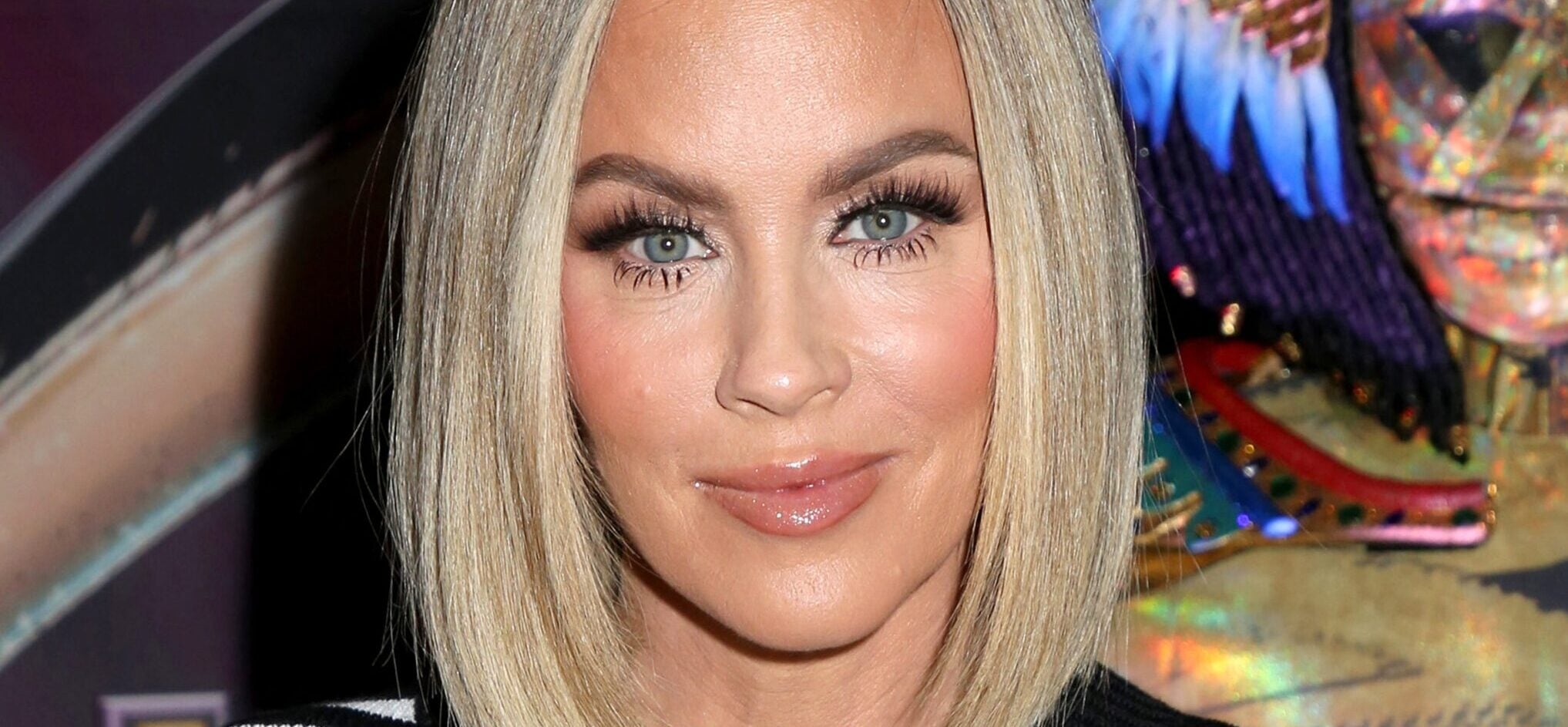
Doctor’s Viral Autism Claims Reignite Jenny McCarthy Debate
A viral podcast featuring a Florida physician discussing autism treatments has reignited one of Hollywood’s most controversial conversations, drawing renewed attention to arguments actress Jenny McCarthy has made for nearly two decades.
As clips from “The Michael Peres Podcast“ surpassed one million views across social media, the discussion quickly expanded beyond medicine and into celebrity culture, with McCarthy’s long-standing views once again becoming part of the national conversation.
However, while the podcast has generated enormous interest online, many of the medical claims being discussed remain disputed by major health authorities.
Jenny McCarthy Debate Returns After Viral Podcast Gains Massive Attention
The renewed controversy began after Dr. Eric Weiss appeared on entrepreneur Michael Peres‘ podcast, where he discussed his belief that autism should be viewed primarily as a medical condition rather than a behavioral or psychological one.
“I truly believe autism is a medical problem,” Weiss said during the interview. “It’s not a behavior or psychological problem.”
Several clips from the conversation quickly spread across Facebook, Instagram, and other social media platforms, collectively drawing more than one million views in just one week.
Weiss argued that many autistic children and adults experience immune system dysregulation and inflammation affecting the brain.
“These kids and adults have dysregulated immune systems,” he said. “They have brain inflammation.”
He also claimed that umbilical cord blood therapy could help reduce inflammation while promoting new brain connections.
However, the U.S. Food and Drug Administration has not approved regenerative medicine therapies as treatments for autism, and health officials continue to classify such approaches as experimental.
Doctor’s Treatment Claims Spark Fresh Medical Debate
Beyond brain inflammation, Weiss also highlighted what he believes is a strong connection between gut health and autism.
According to the physician, approximately 80 percent of autistic children experience significant gastrointestinal issues. He referenced an Arizona State University study involving 18 autistic children, claiming that nearly half of autism symptoms improved after gut-focused treatment.
“At two years, with no other treatment, about 47% of the autistic symptoms are gone just by treating the gut,” Weiss said.
The study he referenced did report improvements among participants. However, researchers also acknowledged that it involved a small sample size and did not include a placebo control group, limiting the conclusions that can be drawn.
Weiss additionally promoted leucovorin, a prescription form of folinic acid.
“There’s now double-blinded randomized placebo-controlled trials showing that leucovorin helps kids with autism,” he said.
While several studies have explored folinic acid as a possible treatment for certain autistic children, the American Academy of Pediatrics says the current evidence is insufficient to recommend routine use.
Jenny McCarthy Has Been At The Center Of This Debate For Years
Although Weiss’ comments have only recently gone viral, they echo themes that have surrounded Jenny McCarthy since the late 2000s.
In a 2008 CNN opinion piece, the actress wrote about her son Evan’s autism diagnosis and credited dietary changes, supplements, and treatments targeting yeast overgrowth with what she described as his recovery.
More recently, McCarthy revisited the subject during an appearance on the “Culture Apothecary with Alex Clark” podcast, where she claimed many celebrities privately support Robert F. Kennedy Jr.’s “Make America Healthy Again” movement but avoid discussing autism publicly.
“They don’t want people to know I have a child on the spectrum,” McCarthy said, explaining why she believes many parents stay silent. “They saw what happened to me.”
Other Celebrity Autism Stories Continue To Fuel Public Interest
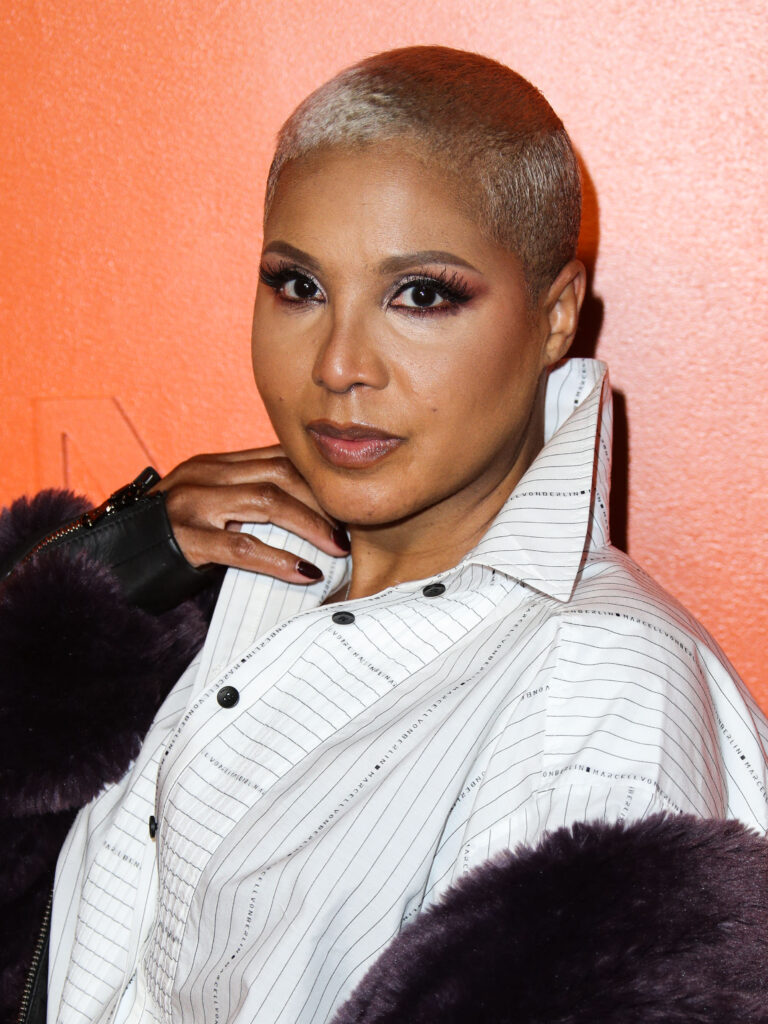
Jenny McCarthy is far from the only celebrity whose personal experiences have shaped public discussion surrounding autism.
Singer Toni Braxton previously told Access Hollywood that her son Diezel, who was diagnosed at age three, is now “off the spectrum” and currently attends Howard University.
Actress Tisha Campbell has also spoken publicly about her son Xen, writing in her memoir “The A Word” that he no longer considers himself autistic.
Neither Braxton nor Campbell has endorsed Weiss or his clinic, and their individual family experiences should not be interpreted as scientific evidence supporting any particular treatment.
Still, stories from high-profile parents continue attracting significant public attention, often fueling renewed conversations whenever new medical claims emerge online.
Dr. Eric Weiss Says His Personal Journey Inspired His Mission
For Weiss, the issue is deeply personal. His son, Marston, was diagnosed with autism, an experience that ultimately changed the direction of his medical career.
“So I treated my son,” Weiss explained during the interview. “And that kicked off what I’m doing now.”
He and his wife, Christine, later co-authored the book “Educating Marston,” documenting their family’s experience, before Weiss transitioned from plastic surgery into regenerative medicine and founded North Florida Stem Cell Clinic.
Whether his claims ultimately gain broader scientific support remains uncertain.
For now, however, the viral success of the podcast has reignited one of Hollywood’s longest-running and most polarizing health debates.
Originally published on theblast.com