
Christa Pike’s Lawyers Face Roadblock In Bid To Access Drug Used In Failed Execution
Tennessee‘s attempt to execute death row inmate Christa Pike by lethal injection did not go as planned, turning what was supposed to be a routine execution into an unusual case. Now, the aftermath of the failed attempt is raising questions involving the drugs used in the procedure, with Pike’s attorneys seeking access to evidence that could help explain what went wrong. The state, however, is moving to block access, arguing that releasing the remaining drug would violate state law.
Tennessee Is Preventing Christa Pike’s Lawyers From Accessing Remaining Pentobarbital
Christa Gail Pike is still alive after two lethal injections. Her lawyers said she is still breathing and “snoring” in a motion filed to once again halt the execution. https://t.co/bcsy8wMWPm
— Pop Base (@PopBase) October 1, 2026
Christa Pike was supposed to be executed on September 30, after serving 30 years and six months on death row for the 1996 murder of Colleen Slemmer. The procedure went on as planned, but after two injections of the lethal injection drug pentobarbital, Pike was still alive.
Her lawyers are seeking access to the pentobarbital vials used during the execution attempt to investigate what went wrong and determine whether Tennessee violated Pike’s constitutional protections against cruel and unusual punishment, as reported by The Washington Post.
On November 6, however, the state filed court documents requesting that the judge prevent access to the drug, arguing that doing so would compromise the supplier’s identity and violate state law. Tennessee, along with the majority of the states that have the death penalty, prohibits public disclosure of entities or individuals that are involved in sourcing lethal injection drugs.
A Judge Ordered Preservation Of Evidence From Christa Pike’s Failed Execution
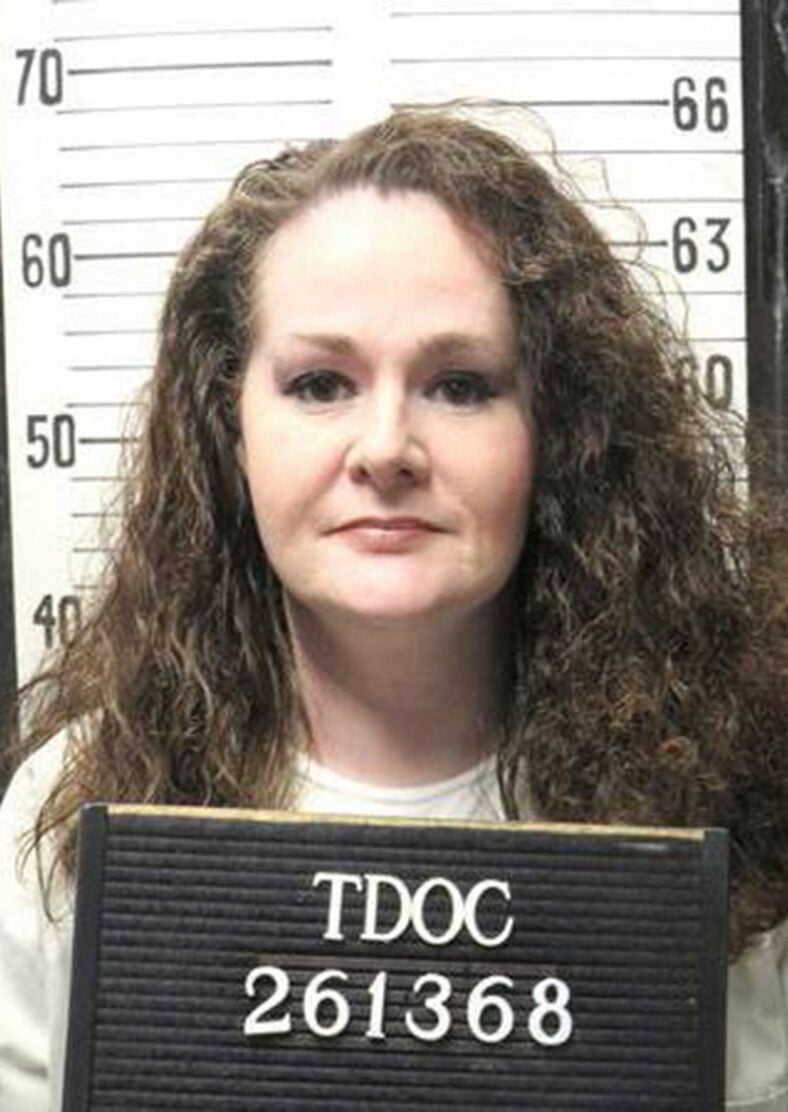
In early October, Judge I’Ashea Myles ordered prison officials to retain and preserve all pieces of evidence connected to Pike’s execution, including logs, messages relating to the execution, medical waste, and surveillance footage. “Anything in the actual room needs to be preserved and maintained,” she said in court, per NPR.
Tennessee’s recent filing is requesting that the judge rescind the part of the order that permits Pike’s attorneys to gain access and test the petobarbital that was left from the execution attempt. An unnamed employee from the Tennessee Department of Correction stated that despite redacted labels on the vials, the source may still be identifiable.
The employee noted that in 2024, a supplier cut off communication after its identity became public, prompting concerns that Pike’s lawyers accessing the drug could reveal the current supplier and jeopardize Tennessee’s access to the drug.
Christa Pike’s Lawyer Wants To Determine What Went Wrong
Pike’s lawyer, Luke Ihnen, said they want access to the drugs used, not to publicly expose the pentobarbital supplier. Rather, the goal is to figure out whether the drug’s quality had anything to do with the failed execution.
Pike’s team wants to establish whether improper handling or mixing compromised the drug’s potency, or if it was expired. “We still don’t know what happened that night. Those types of things are valuable pieces of information about what went wrong,” Ihnen said.
Medical experts have weighed in on the failed execution, and apart from raising questions about the drug, they also determined that the pentobarbital had entered Pike’s tissue rather than properly reaching her bloodstream.
- Christa Pike was “alive and snoring” after two doses of a lethal drug.
- The inmate said she was “ready to go” before her scheduled execution.
- She revealed that a botched execution was her “worst nightmare” weeks before it happened.
- Christa Pike made an “unprecedented” recovery following the failed attempt.
- She was reportedly put in isolation following her return from the hospital.
Tennessee Is Facing A Lawsuit From Death Row Inmates
In 2025, nine Tennessee death row inmates filed a lawsuit against Tennessee, arguing that its lethal injection protocol could subject prisoners to severe pain and suffering, which is in violation of the Eighth Amendment’s ban on cruel and unusual punishment.
On November 7, a Nashville judge allowed the plaintiffs to include the failed execution attempts involving Tony Carruthers and Pike as evidence in their lawsuit, per WSMV. Carruthers’ execution in May 2026 was also stopped after failing to establish an IV line for more than an hour. The attempt left Carruthers partially paralyzed, and his cognitive functions were affected as well.
Tennessee has fought to have the lawsuit dismissed, but if it proceeds, it is expected to go to trial in February 2027.
Tennessee Governor-Elect Seeks Alternative Execution Methods
This situation is tragic. Christa Pike should have been executed long ago. Now, this botched process is extending the pain for the family of Colleen Slemmer. While there should be a thorough review of what happened and why the process failed, the answer is simple: bring back the electric chair and deliver justice for these victims swiftly. As your governor, I will do just that.https://t.co/7Cqj5UdlrI
— Marsha Blackburn (@VoteMarsha) October 1, 2026
Following Pike’s execution, Tennessee Gov. Bill Lee postponed all executions in the state until 2027, pending an investigation into the lethal injection protocol. Gov. Lee will be leaving office in January 2027, with Governor-elect Marsha Blackburn taking his place.
In October, Blackburn weighed in on Pike’s botched execution, saying that if she were elected, she would bring back the electric chair and “deliver justice for these victims swiftly.”
Tennessee currently authorizes two methods of execution: lethal injection and electrocution. However, the second method is only an option for inmates whose crimes were committed before January 1, 1999, and lethal injection remains the state’s primary execution method.
Originally published on theblast.com