

Bruce Willis’ Hollywood Friends Face ‘Bruce Who?’ Claim Amid Dementia Battle
Bruce Willis’ battle with frontotemporal dementia has brought significant changes to his family life, communication and daily routine.
While his wife, Emma Heming Willis, and former wife, Demi Moore, have remained committed to supporting him, an insider has revealed that the actor’s Hollywood social circle has become noticeably smaller.
The source also shared details about Bruce’s current lifestyle, his struggles with speech and the simple activities that continue to bring him happiness.
Bruce Willis’ Hollywood Friends Have Reportedly Forgotten About Him

Despite spending decades as one of Hollywood’s most recognizable action stars, Bruce Willis has reportedly experienced a decline in contact with some of his celebrity friends since stepping away from acting.
“That is how the business is though,” an insider told the Daily Mail, describing the entertainment industry’s tendency to move on when a familiar face is no longer working. The source added, “Once you stop working, all those glam friends forget you.”
The insider then made an even more striking claim about how some prominent figures in Hollywood had supposedly responded to Bruce’s absence from the industry, stating, “In this town, the A-listers are saying, ‘Bruce who?’”
The revelation offered a different picture from the support Bruce continued to receive at home. According to the source, Emma made a conscious effort to ensure that her husband had regular company and opportunities to interact with others.
“His home is very bright and happy,” the insider said, adding that there were always “funny people around him to keep things light.”
Bruce’s Wife And Daughters Remained Closely Involved In His Care

Emma had reportedly taken significant steps to make sure Bruce Willis’ condition did not leave him isolated.
In a September 2025 interview with The Sunday Times she discussed the difficult decision to move her husband into a separate residence with round-the-clock care.
Emma explained that the arrangement had allowed her to step away from being his primary caregiver and reconnect with her role as his wife.
“I could get back to being his wife,” she told the outlet, describing the change as “such a gift.”
The arrangement also allowed their daughters, Mabel and Evelyn, to maintain their relationship with their father while professional caregivers helped manage his daily needs.
Moore, who was married to Bruce from 1987 to 2000, also remained a source of support. The former couple had maintained an amicable relationship after their divorce, with Moore previously describing their ability to create a loving environment for their daughters as something she was proud of.
Bruce Willis Found Comfort In Music And Simple Everyday Pleasures

Although Bruce’s routine has changed considerably, an insider said he continues to enjoy activities that keep him engaged.
Rather than spending his days watching television, the actor reportedly looks forward to car rides, ice cream and listening to music.
“Bruce doesn’t just sit in front of a TV all day,” the source told the Daily Mail, adding, “His big thrill is getting an ice cream cone or going for a ride in a car. He loves listening to Neil Diamond. Music is great for him.”
Music has long been part of the “Die Hard” actor’s life. Before establishing himself as a Hollywood actor, he pursued a brief musical career, playing harmonica in blues bars.
However, communicating had reportedly become increasingly difficult. Bruce had struggled with a stutter as a child, earning the nickname ‘Buck-Buck’.
He eventually learned to manage it through drama classes and developed a habit of changing words in his scripts when he found them difficult to pronounce.
The insider said that coping mechanism had become harder to use as his dementia progressed. “He pauses for a long time, like he is lost in thought,” the source explained. “But he is really trying to find the words. He is figuring out how to articulate himself.”
More From The Blast
- Bruce Willis’ wife reveals how often she visits him after moving the actor into a separate care residence.
- Demi Moore shares an emotional update about Bruce Willis and explains why their family bond remains strong despite their divorce.
- Emma Heming Willis reveals she initially blamed Bruce Willis’ ‘Die Hard’ role for changes she noticed before his dementia diagnosis.
- Bruce Willis’ daughter Rumer finds an unexpected silver lining in her father’s dementia battle.
- Emma Heming Willis shuts down rumors about Demi Moore moving in to help care for her ex-husband.
- Bruce Willis’ longtime Hollywood generosity resurfaces as touching stories about the actor emerge amid his health battle.
Emma Turned Bruce’s Diagnosis Into A Mission
The communication difficulties described about Bruce Willis’ condition were among the reasons Emma became increasingly committed to raising awareness about frontotemporal dementia.
During World FTD Awareness Week, which ran from September 28 to October 4, 2026, she paid tribute to her husband and explained how his diagnosis had shaped her advocacy work.
“I can’t go through World FTD Awareness Week without talking about Bruce. He is the driving force behind my advocacy,” she wrote in an Instagram post.
Emma also made clear that she intended to use the attention surrounding her husband’s condition to help other families facing similar circumstances.
“He has opened so many doors for me in this work, and I will continue to walk through them. I will not let his diagnosis be in vain,” she added.
The model explained that she hoped his experience would help people living with FTD, other forms of dementia and their caregivers receive greater recognition and support.
Emma Shared How Bruce Willis Still Experienced Moments Of Joy
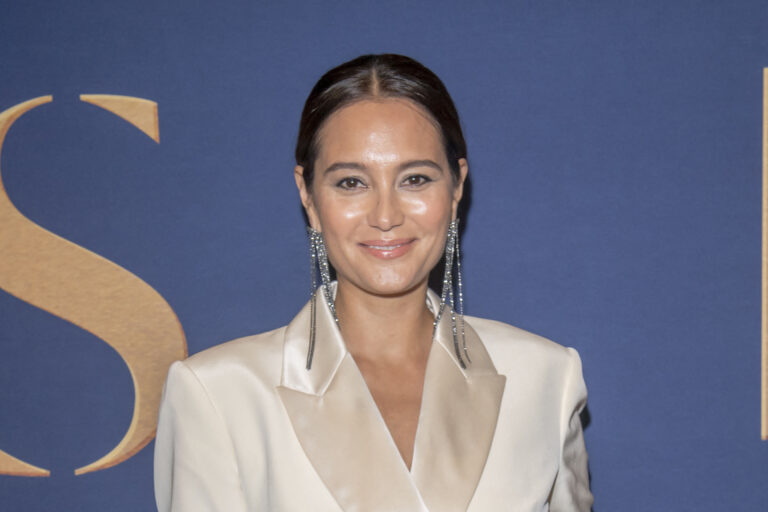
Emma’s advocacy also involved challenging the assumption that a dementia diagnosis meant a person could no longer experience meaningful happiness or connection.
In an interview preview published by Entertainment Weekly in September, for MS NOW’s “Because We Care with Richard Lui,” she offered an update on her husband’s condition and the moments they continued to share.
“Bruce, he’s very present,” the actress said, before explaining, “We have still so many beautiful moments of joy and connection, and I think that’s really important to share because I think there’s such a negative narrative around dementia.”
Emma argued that people living with the condition and their caregivers could become overlooked when conversations focused exclusively on its difficulties.
She added, “We need to be careful and reframe that. When we think about that or don’t want to talk about dementia and put it in a corner, the person living with the disease and their caregiver aren’t seen, they aren’t supported.”
Originally published on theblast.com