
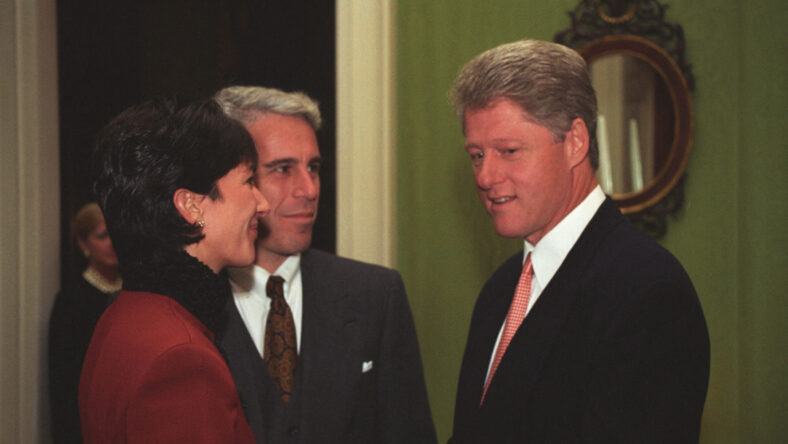
Bill Clinton’s Hot Tub Photo And Howard Lutnick’s Island Lunch Revisited In New Epstein Report
Bill Clinton was asked to explain a hot tub photo. Howard Lutnick described taking his family to lunch on Jeffrey Epstein’s private island. And Pam Bondi told lawmakers who oversaw the release of Epstein files that exposed survivors’ identities.
A report released November 10 by House Oversight Republicans brings those exchanges together after a 15-month inquiry that included 19 transcribed interviews and depositions. The questions ranged from what prominent people knew about Epstein to how federal officials handled his case and the records it left behind.
Here’s what the Clintons, Lutnick, Bondi, and former Attorney General Bill Barr told lawmakers.
Bill And Hillary Clinton Face Separate Questions
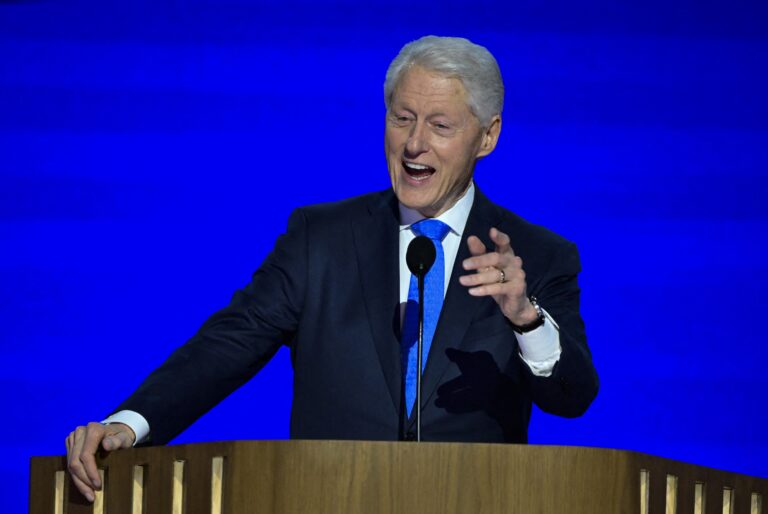
Former Secretary of State Hillary Clinton appeared for a closed-door deposition on February 26. She said she did not recall ever meeting Epstein and denied knowing about his crimes. In her opening statement, she challenged the committee’s decision to compel her testimony and urged lawmakers to question President Donald Trump directly under oath.
Bill Clinton sat for his deposition the next day in Chappaqua, New York. Lawmakers showed him a photo from the Epstein files and asked about an unidentified woman pictured near him in a pool area. Clinton said he did not know who she was. He recalled that the pool was at a hotel where he was staying and said he swam, spent a few minutes in the hot tub, and went to bed.
The former president maintained that he had no knowledge of Epstein’s crimes. “I saw nothing, and I did nothing wrong,” he said, according to the Daily Mail’s account of his deposition.
Howard Lutnick Explains His Lunch On Epstein’s Island
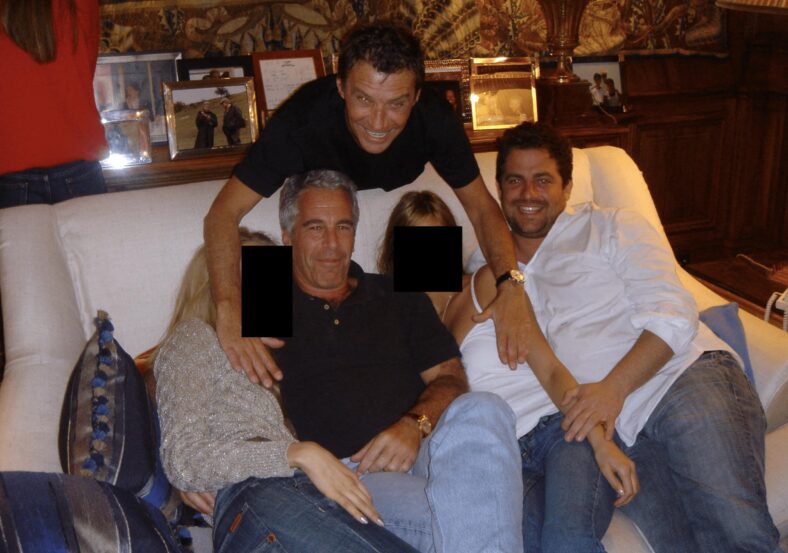
Commerce Secretary Howard Lutnick had previously said he cut ties with Epstein after a 2005 encounter. In his May 6 interview, he described two later encounters, including a 2011 conversation at Epstein’s Manhattan townhouse. Lutnick said the two were neighbors and spoke in Epstein’s foyer about scaffolding that affected their properties.
The second encounter took place in December 2012, when Lutnick said he brought his wife and children to lunch on Little St. James, Epstein’s private island. By then, Epstein had been convicted in Florida of soliciting prostitution from a minor. Lutnick characterized his interactions with Epstein as “virtually nonexistent.”
- Democrats gave Robert De Niro’s calls for the release of the Epstein files a fresh boost ahead of the midterms.
- Celebrity hairstylist Frédéric Fekkai faces renewed scrutiny after a House report urged the Justice Department to investigate allegations against him.
- A House report found that the government failed Epstein survivors again when redaction errors exposed their private information.
- Andrew’s ties to Epstein are drawing fresh scrutiny after an FBI account described visits to Balmoral.
- A story Jeffrey Epstein allegedly told about Donald Trump includes an unusual description Trump reportedly gave of himself.
Pam Bondi Addresses The Release Of Survivors’ Information
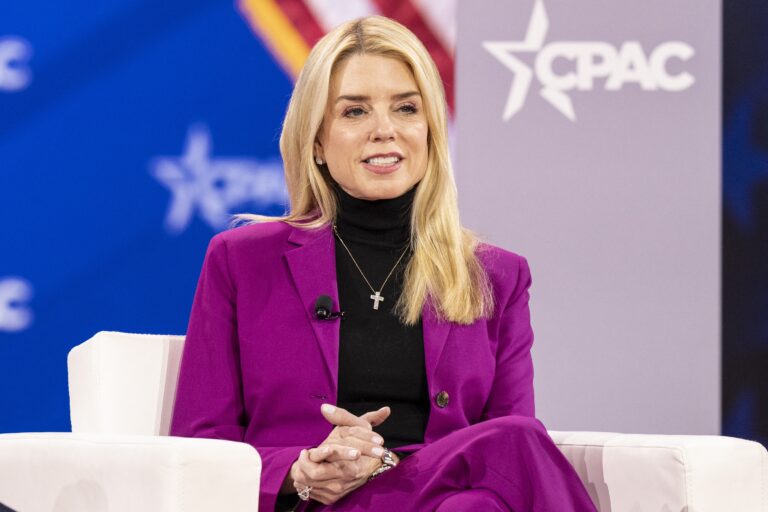
By the time Pam Bondi sat down with lawmakers on May 29, she was out as attorney general. Her handling of the Epstein files had contributed to her firing in April, according to the Associated Press. In her interview, Bondi said her former deputy, Todd Blanche, had been responsible for overseeing the release and acknowledged that the department had made redaction errors.
Those errors had consequences for survivors. The House report found that some records released to the public exposed sensitive personal information. Bondi defended the department’s work and said she backed Blanche. Asked about contact with survivors, she recalled speaking with an attorney who represented victims. “I spoke to her, and I believe I referred her to the FBI,” she said, according to the Daily Mail.
The report recommends that the Justice Department give survivors and their representatives a way to obtain unredacted copies of their own records.
Bill Barr Recalls Reviewing Jail Surveillance Footage
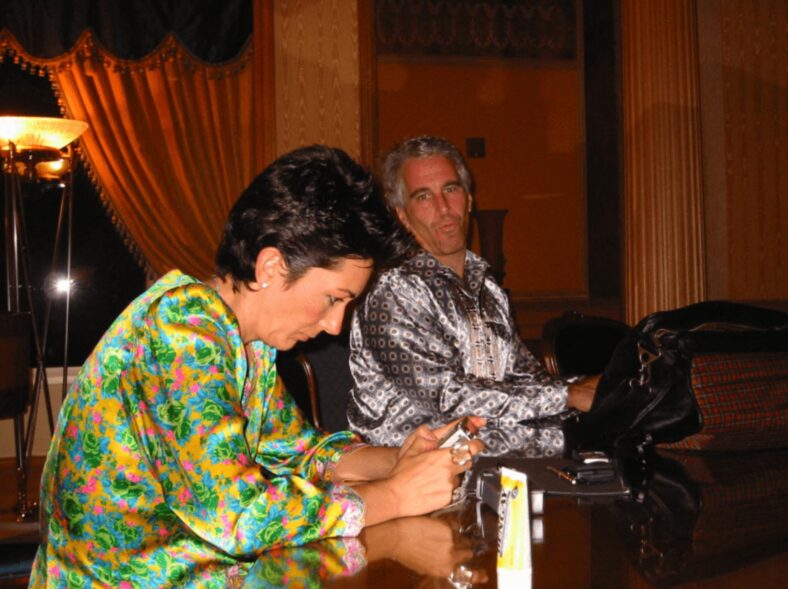
Former Attorney General Bill Barr had a different set of questions to answer when he was deposed in August 2025. He was running the Justice Department in 2019 when Epstein died in a Manhattan federal jail while awaiting trial on sex trafficking charges. Barr told lawmakers he personally reviewed surveillance footage and said the footage was among the evidence he considered before concluding Epstein died by suicide.
Barr also told the committee that Epstein “sort of had three lives.” He described a socialite who mixed with prominent people, a businessman with extensive connections and a man who recruited girls for sexual abuse. Barr also referred to allegations that Epstein made girls available to some of his contacts.
The Report Calls For More Justice Department Interviews
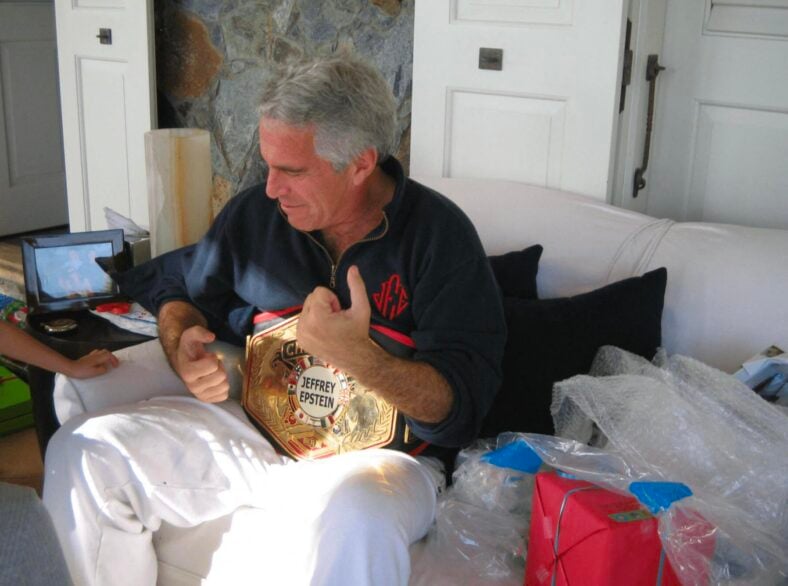
The Republican majority said the evidence it gathered did not implicate Trump in Epstein and Ghislaine Maxwell’s crimes. The report also faulted the Trump administration’s handling of the records release. Republicans said the administration failed to deliver on its promise to open the files, prompting Congress to pass a law requiring their disclosure.
The report ends with requests for further action from the Justice Department, including reinterviewing key witnesses and following up on allegations involving Epstein associates. For survivors whose information was exposed, it also asks the department to give them direct access to the records about their own cases.
Originally published on theblast.com